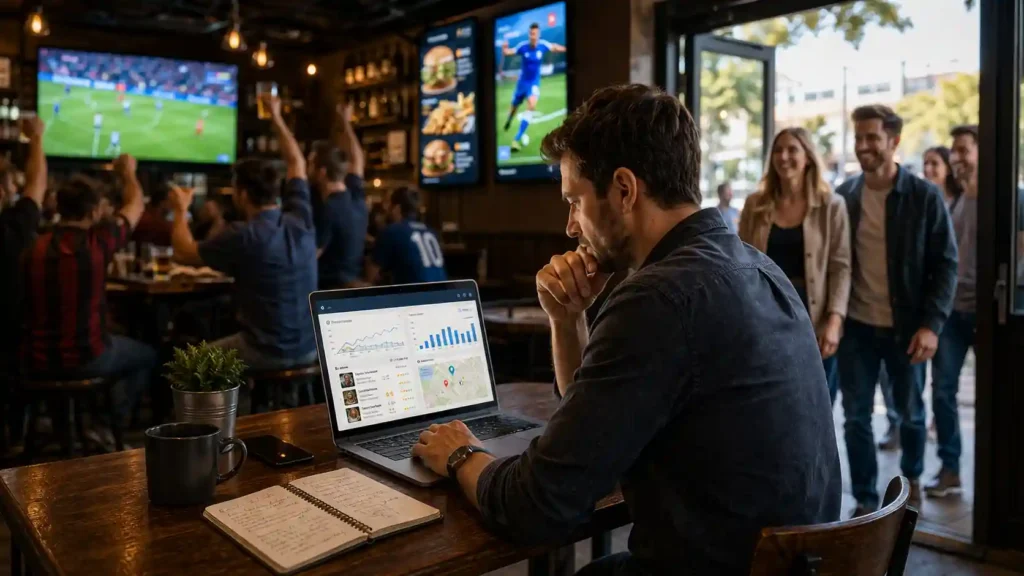
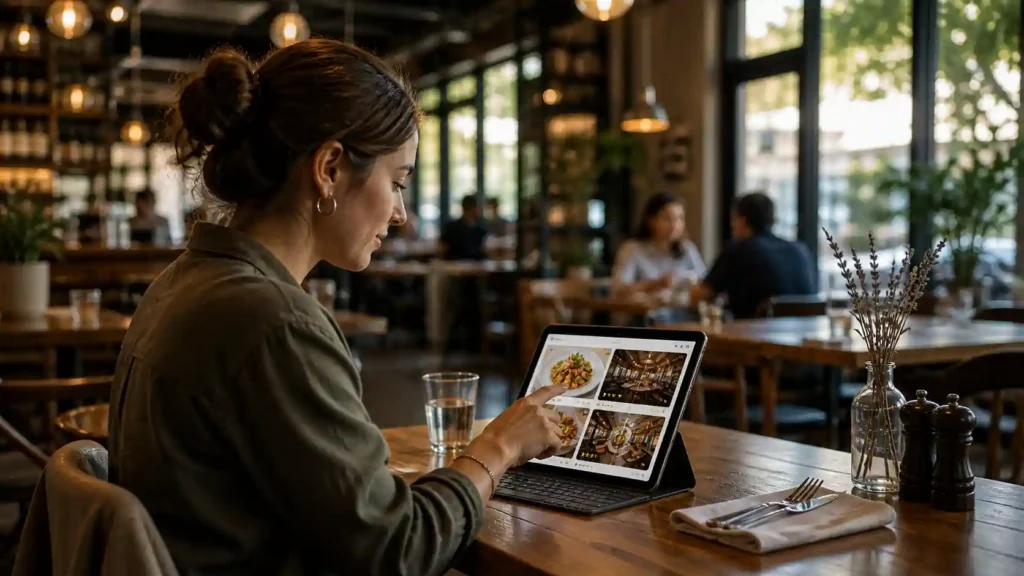
Restaurant discovery is changing. Customers still search for places to eat, but the way they search is becoming more complex — search engines, maps, AI assistants, local guides, social platforms and review sites. They may search by cuisine, location, opening time, atmosphere, price, dish, dietary need or nearby activity.
That means restaurants need more than a basic listing. They need structured, clear, trustworthy information that both people and machines can understand. In the AI search era, vague restaurant content is a liability.
What Is Restaurant Discovery?
Restaurant discovery is the process of helping customers find and choose places to eat. It includes search visibility, local listings, menu information, photos, categories, location details, opening hours and customer guidance. Discovery is not just about being online — it is about being useful at the moment of decision.
Why AI Search Changes the Standard
AI systems try to summarise, recommend or answer directly. To do that well, they need information they can interpret. If a restaurant has unclear content, missing menus, weak descriptions or important details hidden inside images, AI systems may struggle to understand it. Good restaurant content answers real questions: what type of food is served, where is it, when is it open, what are the highlights, is it casual or premium, does it show sport, is it family-friendly?
Basic Listings Are No Longer Enough
A basic listing with name, address and phone number is not enough for modern discovery. Customers want confidence before they visit — food photos, menu details, opening hours, location and atmosphere. Food decisions are fast. A customer shortlists quickly, compares visually and chooses the place that feels right. A weak listing removes a restaurant from consideration before the customer ever visits.
The Role of Structured Restaurant Listings
A strong listing should include restaurant name, location, opening hours, cuisine type, menu highlights, price cues, photos, contact details, booking options, facilities, atmosphere description and dietary options. This information should be real, readable text — not trapped inside images, PDFs or decorative graphics. Structured data helps the restaurant become more understandable to search engines, AI systems and customers.
Why Menus Matter for Discovery
A customer wants to know what the restaurant serves before visiting. If the menu is missing, outdated or hard to read, the customer may move on. Menu highlights should be written as text so they can support search visibility. A restaurant may want to be found for breakfast, burgers, seafood, vegan options or sports-bar food — if those items are only visible inside an image, the discovery value is weaker.
Why Photos Influence Restaurant Choice
Food is visual. Trust is often visual. Strong photos can make a restaurant easier to choose. A strong profile should include food photos, interior photos, exterior photos and any unique venue features. Photos answer emotional questions text cannot — does the food look good, is it casual or premium, is it family-friendly, would I feel comfortable there? Good photos increase confidence. Confidence increases conversion.
Why Opening Hours and Accuracy Matter
Few things damage trust faster than inaccurate opening hours. A customer who arrives at a closed restaurant will not trust that venue again. Restaurant discovery is often time-sensitive — people search for food now, tonight or this weekend. Outdated information loses customers. Opening hours should be treated as core commercial information, not admin detail.
Restaurant Discovery for Different Venue Types
Restaurant discovery is not only for traditional restaurants. Cafes need it for breakfast and brunch. Bars serving food need it for food-led customers. Hotel restaurants need it for guests and external customers. Sports bars with food need to appear in both food and sports discovery. Pubs serving food need to promote menus, events and offers. Food is often one part of a larger venue journey.
How GreatFoodPlaces Supports Restaurant Discovery
GreatFoodPlaces helps restaurants present structured listings, categories, menus, highlights, opening hours, location details and visual content — so customers can quickly understand what a venue offers and whether it fits what they want. Restaurant data can also support local discovery, digital menu boards, POS tools and promotional screens.
How Restaurant Discovery Connects to Digital Menu Boards
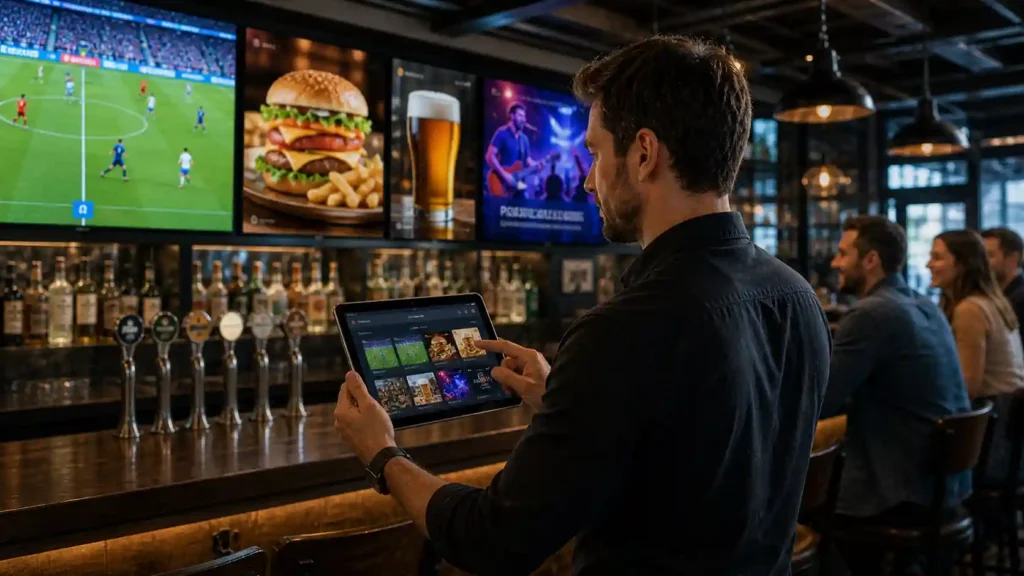
Restaurant discovery happens before the visit. Digital menu boards influence decisions during the visit. A restaurant can use GreatFoodPlaces to attract customers and UltraDisplayAds to promote menu items, specials and offers inside the venue. The same menu logic supports both discovery and in-venue selling.
Common Restaurant Discovery Mistakes
No menu or only an unreadable image menu. Poor photos. Descriptions that say nothing specific. Outdated hours. Important information hidden inside graphics. Failing to connect discovery with in-venue promotion. Treating a listing as a one-time setup instead of a living profile. Each mistake reduces trust — and trust is what turns search into visits.
Restaurants Need Better Data, Not Just Better Design
Good design matters. But restaurant discovery depends on structured listings, clear menus, strong photos, accurate hours and connected promotion. In the AI search era, restaurants need to be understandable — visible in the right journeys and convincing at the point of decision. GreatFoodPlaces helps restaurants do that inside the wider Shozzle ecosystem.